How to Take Feedback on Your Work Without Taking It Personally
A practical routine for designers, writers and anyone who ships creative work, plus a few ways to set up reviews so feedback arrives as help, not as a verdict.

You share a draft, and the comments start arriving. One says the headline is weak. Another asks why the button is green. A third just says “hmm.” Before you’ve read any of them properly, your pulse has already picked a side.
That reaction is normal. When you’ve spent days on something, the work feels like part of you, so criticism of the work lands like criticism of you. But the people who improve fastest aren’t the ones who never feel the sting. They’re the ones who have a routine for what to do next.
Here’s a routine that works, whether you’re an agency working through client rounds or a product team reviewing flows every week.
1. Read everything once before you reply to anything
The first pass is for understanding, not answering. Read every comment from every reviewer without typing a word. Patterns only show up when you see the whole set: three people circling the same section is a signal, while one person’s pet preference usually isn’t.
If a comment stings, notice it and keep reading. You’ll respond better in twenty minutes than in twenty seconds.
2. Listen for the problem, not the proposed fix
Reviewers are good at noticing when something feels off, and much less reliable at explaining why. “Make the logo bigger” might really mean “I couldn’t tell whose site this was.” “Can we try blue?” might mean “this doesn’t feel like us.”
Treat every suggested fix as a clue to an underlying problem. Solve that problem your way and you’ll often land on something better than the fix you were handed, and the reviewer will still feel heard.
Feedback tells you where someone tripped. It rarely tells you where the rock is.
3. Ask one good question
When a comment is vague, don’t guess and don’t defend. Ask one clarifying question that moves things forward:
- “What were you expecting to see here?”
- “Is this a must-change for launch, or something to explore next round?”
- “Which version felt closer?”
A question shows you’re taking the note seriously. It also turns a vague reaction into something you can act on.
4. Sort before you start
Not all feedback carries the same weight. Before you open your design tool, sort every note into three piles:
- Must fix. Errors, broken flows, and anything that contradicts the brief.
- Worth trying. Ideas that could make the work better and cost little to test.
- Noted. Preferences you’ve considered and won’t act on, each with a one-line reason.
That third pile matters. Saying “we kept the green because it’s the brand colour” is far better than quietly ignoring a comment, which reviewers always notice.
5. Separate the work from yourself
A useful trick is to talk about the draft in the third person. Not “my layout” but “this layout.” Not “I got it wrong” but “this version doesn’t solve the navigation problem yet.” It sounds small, but it moves you out of the defendant’s chair and onto the reviewer’s side of the table, looking at the work together.
6. Close the loop
The fastest way to get better feedback next time is to show what happened to the feedback this time. Reply to each comment with what changed, or why it didn’t, then mark it resolved. People who can see that their input made a difference give more thoughtful input in the next round.
Set up reviews so feedback is easier to take
Taking feedback well is a skill, but the way feedback is collected shapes how it lands. A few habits make a big difference:
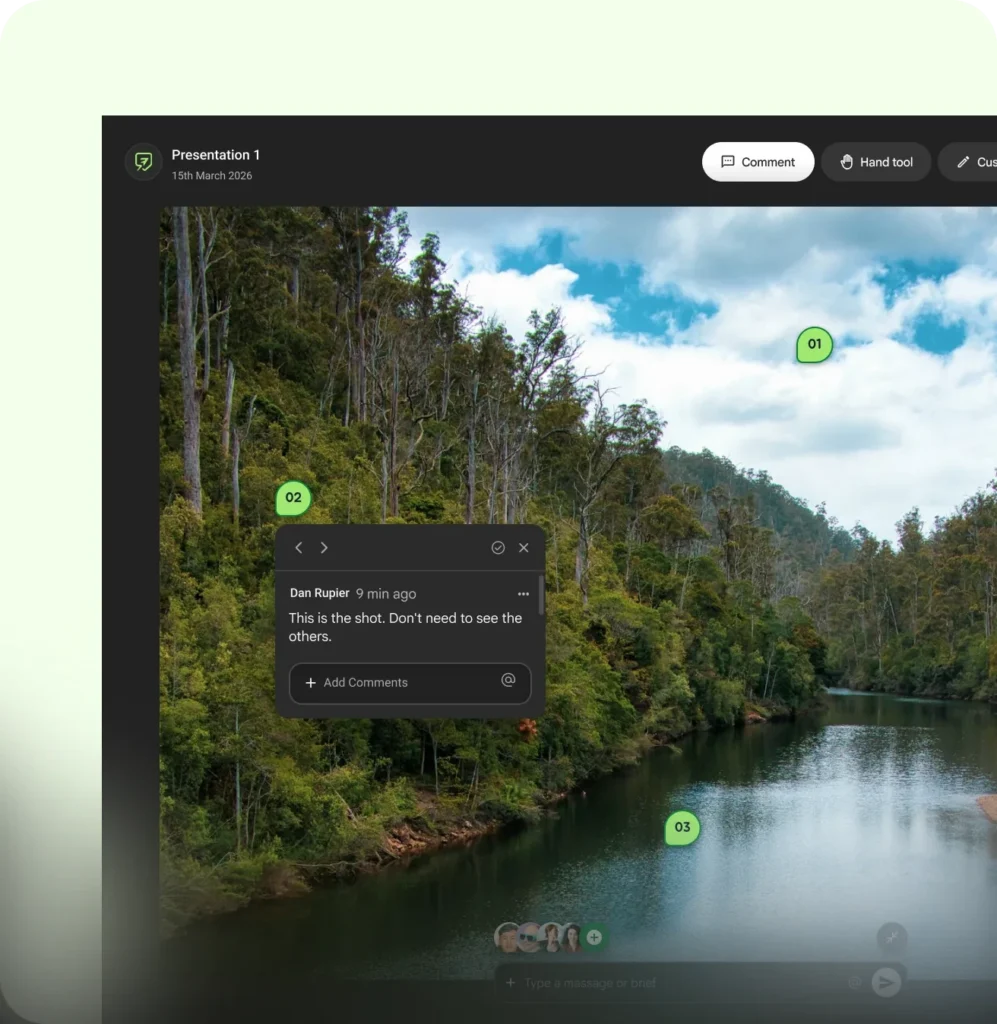
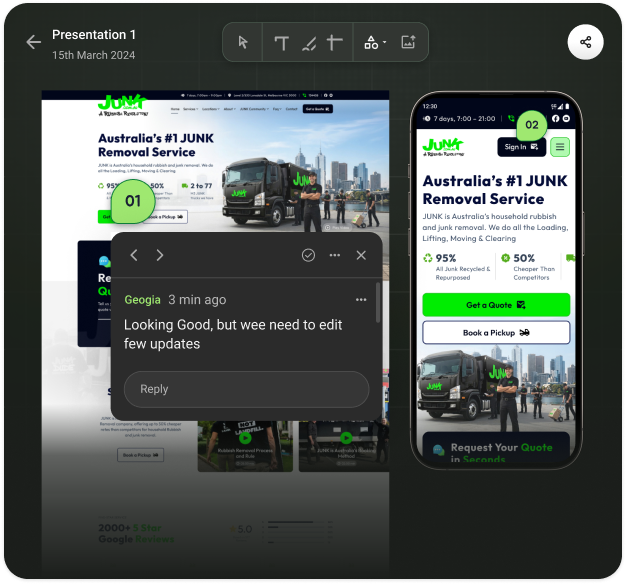
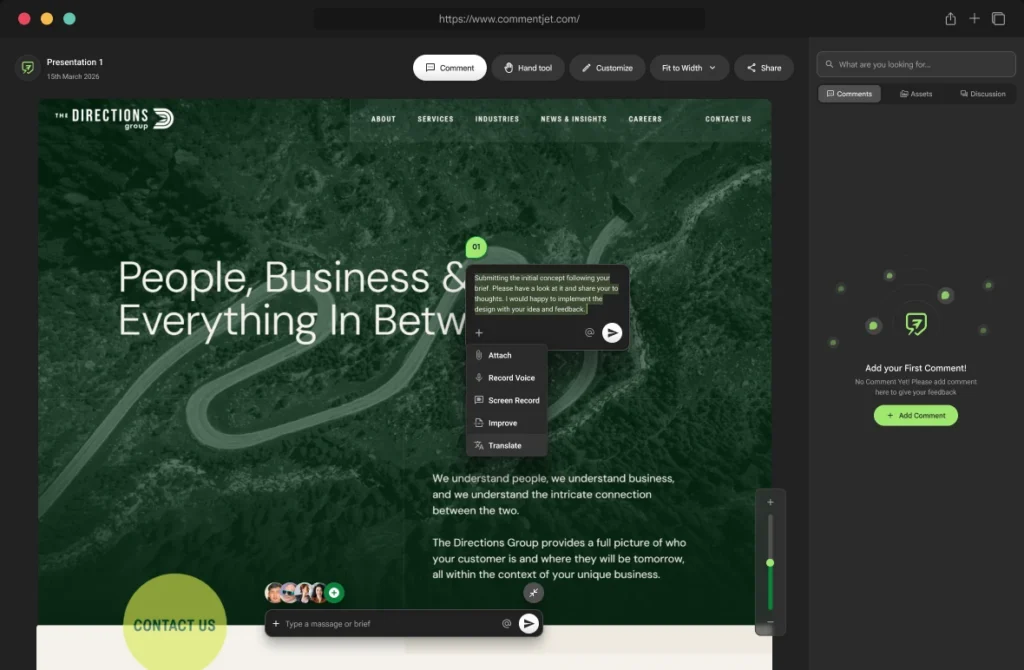
- Pin comments to the exact spot. “The top bit feels crowded” in an email thread invites guesswork. A comment placed right on the element doesn’t.
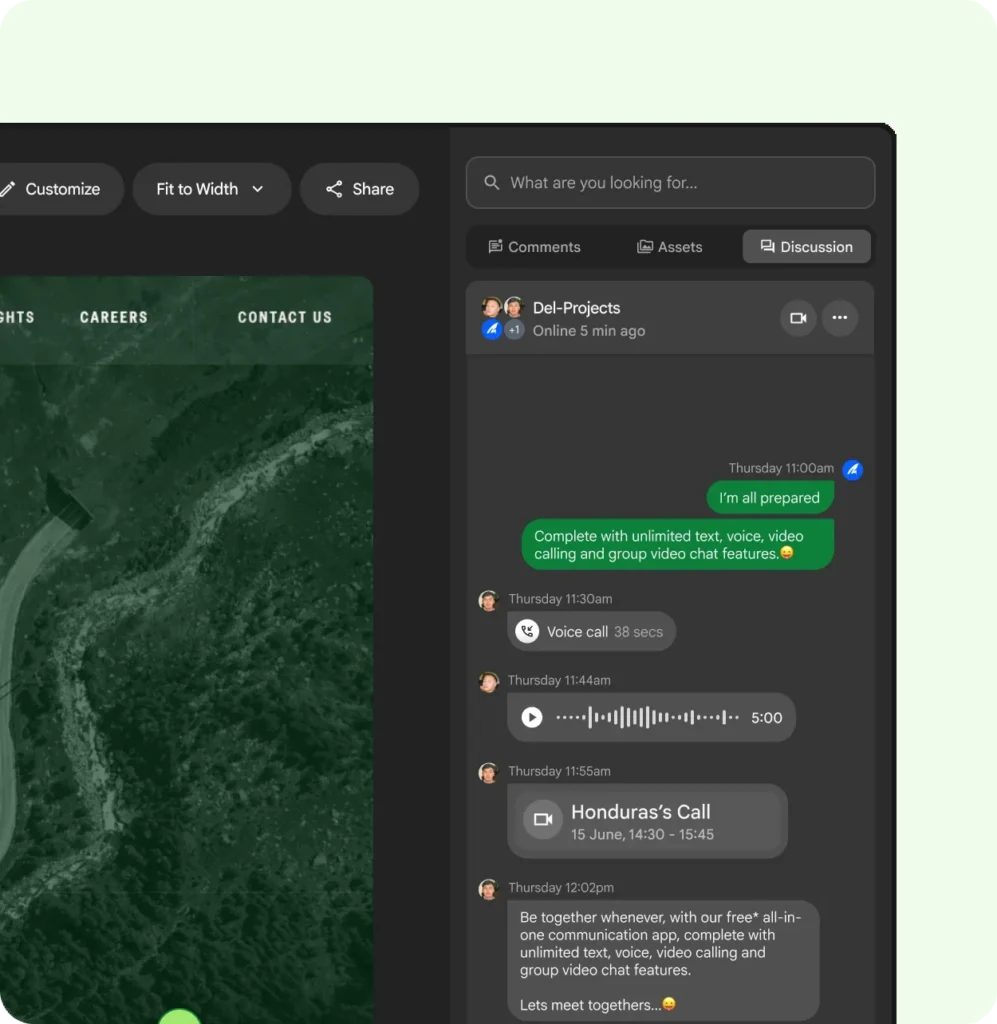
- Keep every note in one place. Feedback split across email, chat and call notes is how comments get lost, and a lost comment reads as an ignored one.
- Share a brief with the draft. Tell reviewers what you want from this round, such as “structure, not copy yet,” and you’ll get fewer notes on things that aren’t ready.
- Resolve in the open. Replying and then marking a comment resolved shows reviewers exactly what was done.
That’s the thinking behind CommentJet reviews. Upload a file, share it, and everyone leaves comments pinned to the exact spot, with replies, voice notes and a way to mark each one resolved.
A quick checklist for your next review
- Read every comment once before replying.
- Translate suggested fixes into the problems behind them.
- Ask one clarifying question wherever a note is vague.
- Sort notes into must fix, worth trying and noted.
- Reply to every comment, then resolve it.
Feedback will still sting sometimes, and that’s fine. The goal isn’t to stop feeling it. It’s to have a routine that turns the sting into a better next draft.